Paid and free tickets
Run public, private, free, paid, and member-only access from the same event record.
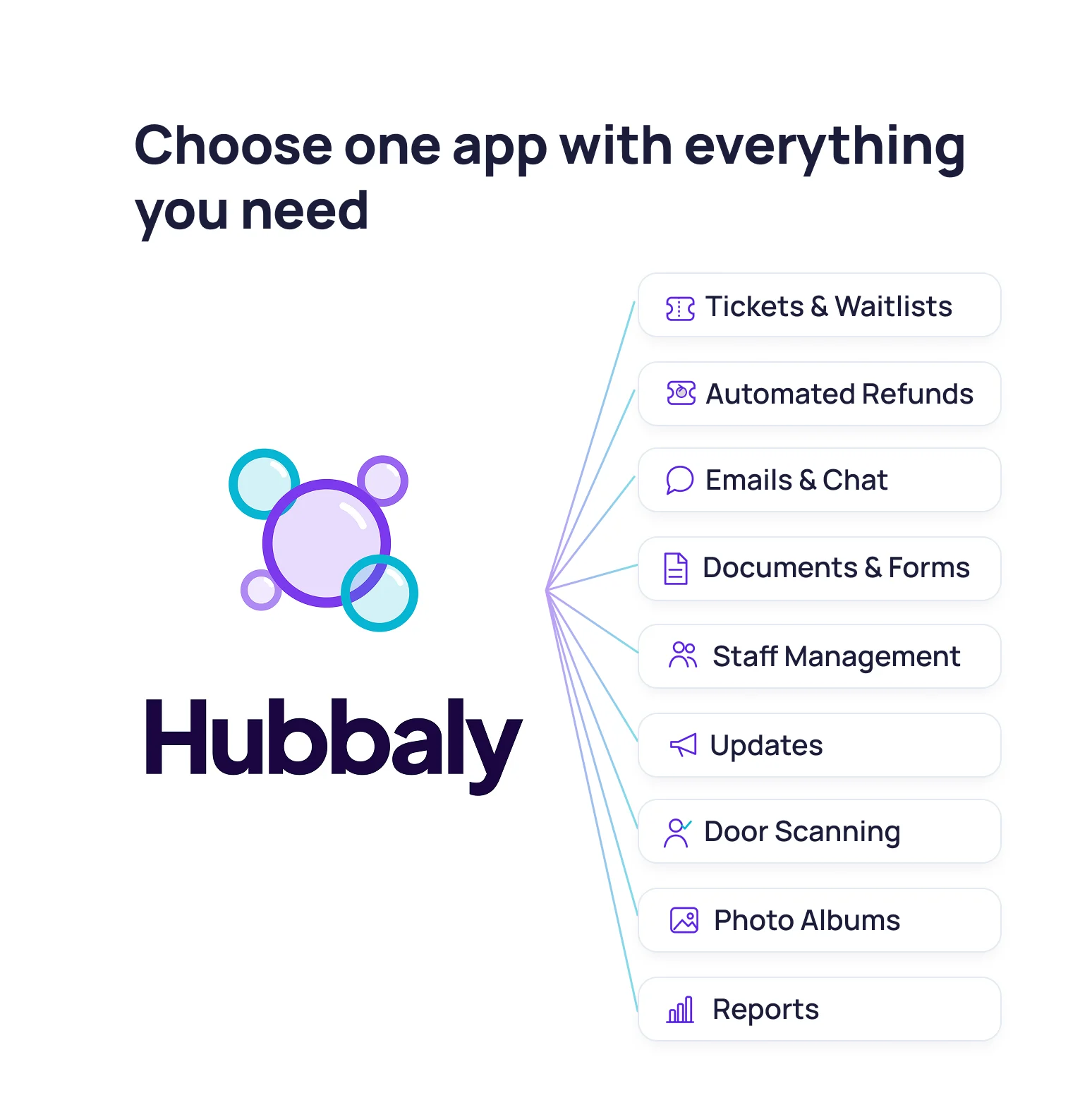
Everything that runs your recurring community, from tickets and Waitlists to forms, QR check-in, updates, and albums, in one system instead of five.
Free to start. 3.5% on paid tickets.
Tickets + Waitlists
Access rules, forms, and releases stay with the event.
QR check-in + staff
Door tools and role access stay aligned.
Albums + updates
The follow-up still belongs to the same community.
Public event
Thursday Supper & Stories
North Star Supper Club
Tickets, the host brief, member notes, and what to expect all stay in the same place without switching visual language halfway through.
£18
Doors 18:30 · Dinner 19:15
What guests see
A clear story for the event, not just a sparse ticket checkout. Venue details, host notes, and aftercare stay visible before someone commits.
Included
Dinner ticket, door list, and post-event album all tied to the same event record.
Private when needed
Switch to members-only visibility without rebuilding the event in another tool.
Hosts + schedule
Organiser
Staff + event day
Staff roles
Front door
Scan tickets, handle arrivals
Host support
Seating, guest notes, aftercare
Live board
Check-in, incident notes, and staff duties stay in the same event workspace when doors open.
Shared context
Updates and attendee context are not trapped in chat threads or spreadsheets on the night.
Event-day status
Checked in
34
On-duty staff
5
Notes
2 flagged
North Star Supper Club
Member dinner ticket
Date
Thu 27 Feb
Doors
18:30
How it works
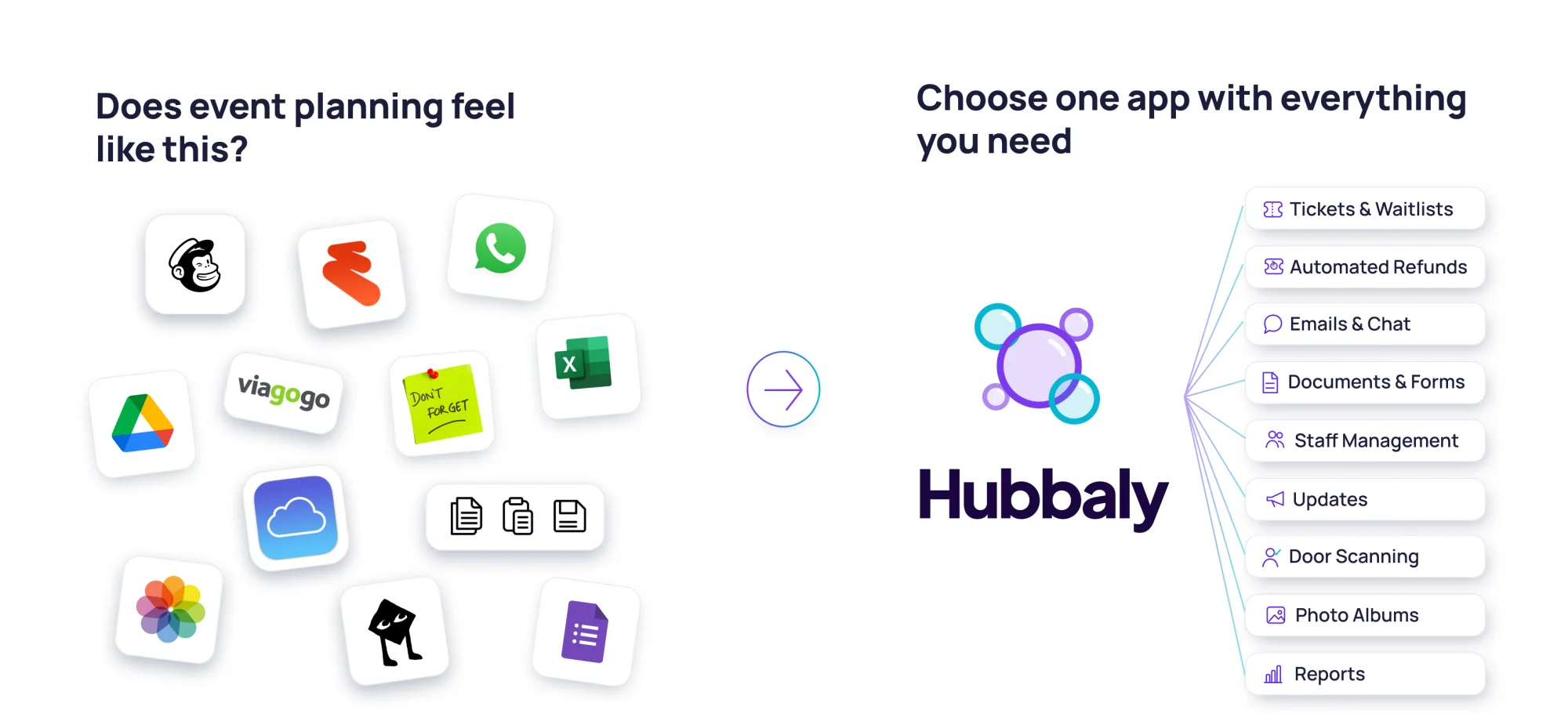
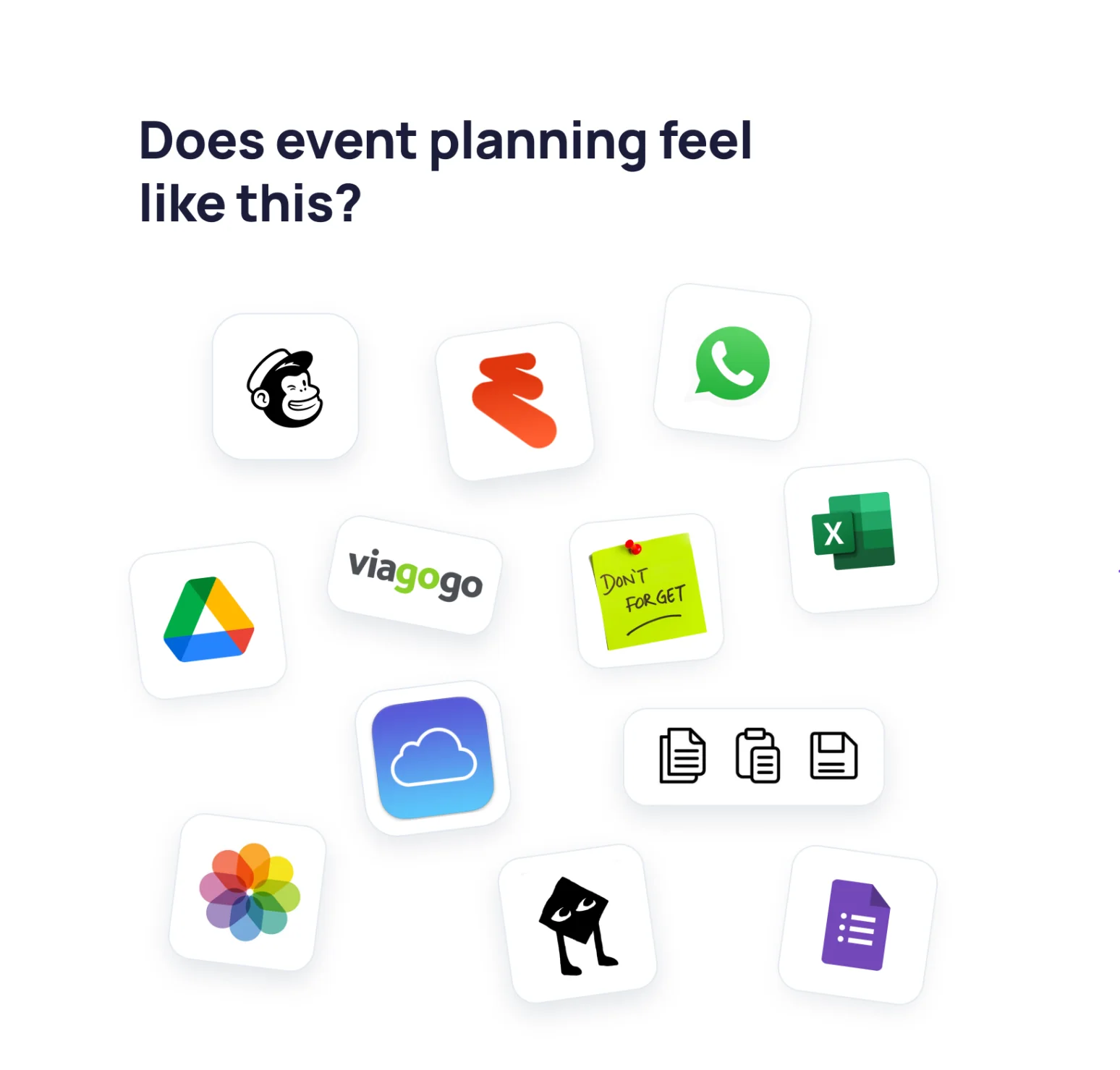
Organisers recognise this stack instantly: tickets in one place, Waitlists in another, forms somewhere else, door notes in a sheet, and photos scattered after the event.
Eventbrite or Ticket Tailor
Sell tickets and publish the event
WhatsApp and broadcast email
Send updates and chase replies
Google Forms and waiver docs
Collect waivers and pre-event details
Spreadsheets and door notes
Run the door and brief staff
Shared albums, drives, and social posts
Keep the memory after the event
With Hubbaly
Tickets, queue handling, staff roles, forms, check-in, updates, and albums follow the same event and the same community rules.
Paid tickets, Waitlists, and member-only rules stay on the same event record.
Required forms and waivers are handled before the door, not in a side workflow.
QR check-in, staff roles, and ticket context stay together when the event is live.
Albums, updates, and the next event build from the same community hub afterwards.
The value is not just fewer tools. It is fewer blind spots before the event, fewer handoffs on the door, and a clearer follow-up afterwards.
Replace your stack
Pick the tools you're currently using. See what they actually cost you and what you'd pay on Hubbaly instead.
Your current setup
£262.80
Fees and admin overhead across the current stack.
£84.00
3.5% per paid ticket. Free events stay free.
Hubbaly replaces the lot
Tickets, forms, updates, check-in, staff, and albums work as one system instead of being stitched together at the edges.
Buyers see one all-in ticket price before checkout, with Hubbaly and payment processing settled from that paid amount afterwards.
Product
This is not just ticketing plus chat. Hubbaly covers the rules before the event, the live operations during it, and the follow-up afterwards without pushing organisers back into a patchwork stack.
Run public, private, free, paid, and member-only access from the same event record.
When capacity is gone, Hubbaly keeps demand in the queue instead of sending people to a form.
Members can pass tickets on cleanly when plans change without organisers reconciling ownership by hand.
Collect the event-specific details you need before entry instead of chasing documents on the door.
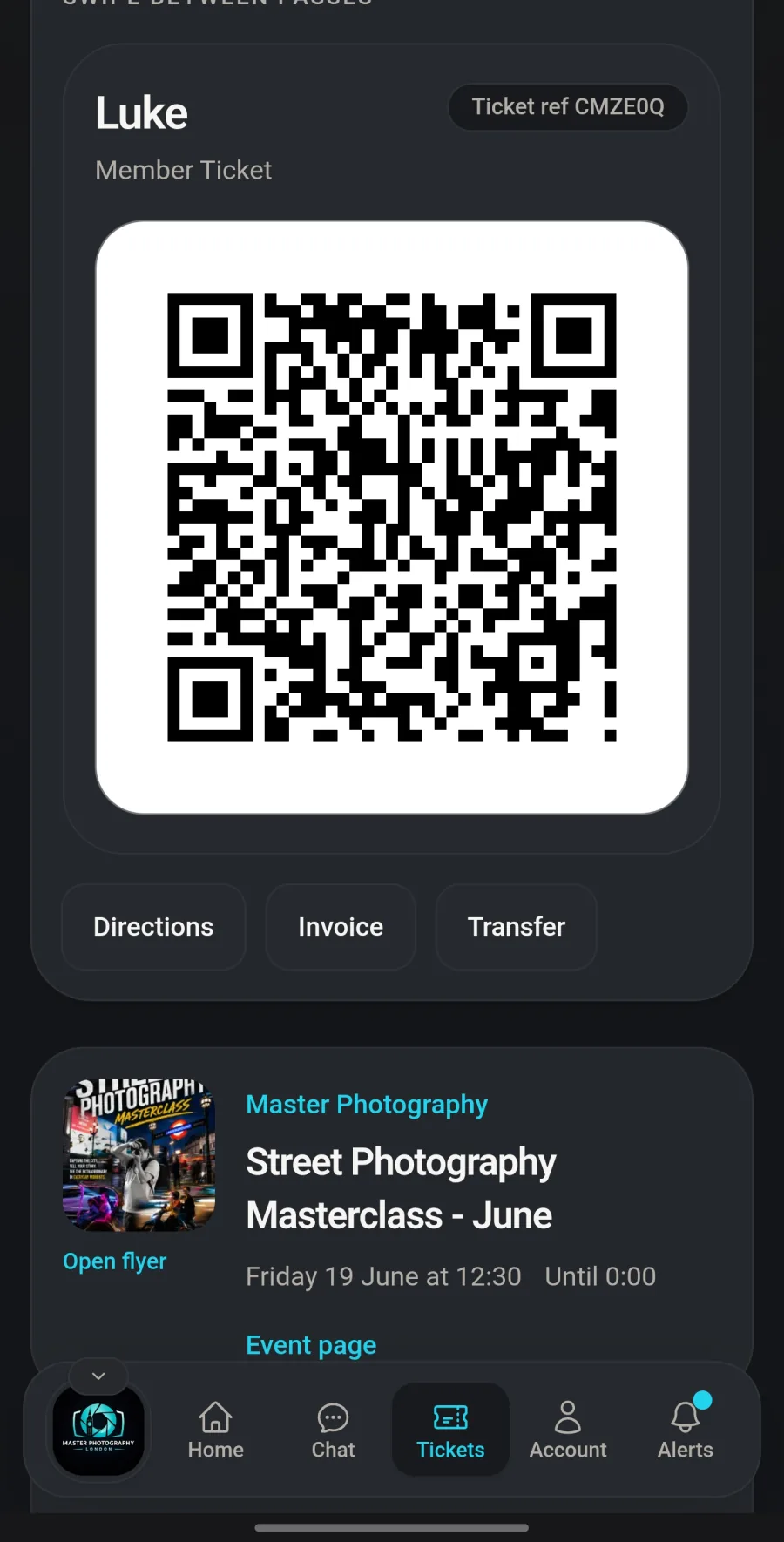
Staff scan one ticket and get the live status, access context, and event-day confidence they need.
Reminders and changes go where members already have their ticket instead of into a disconnected thread.
The event memory stays inside the same community that hosted it instead of being scattered afterwards.
Reach your hub members and ticket audience without exporting lists into a separate broadcast tool.
Community hub
North Star Supper Club
Community home
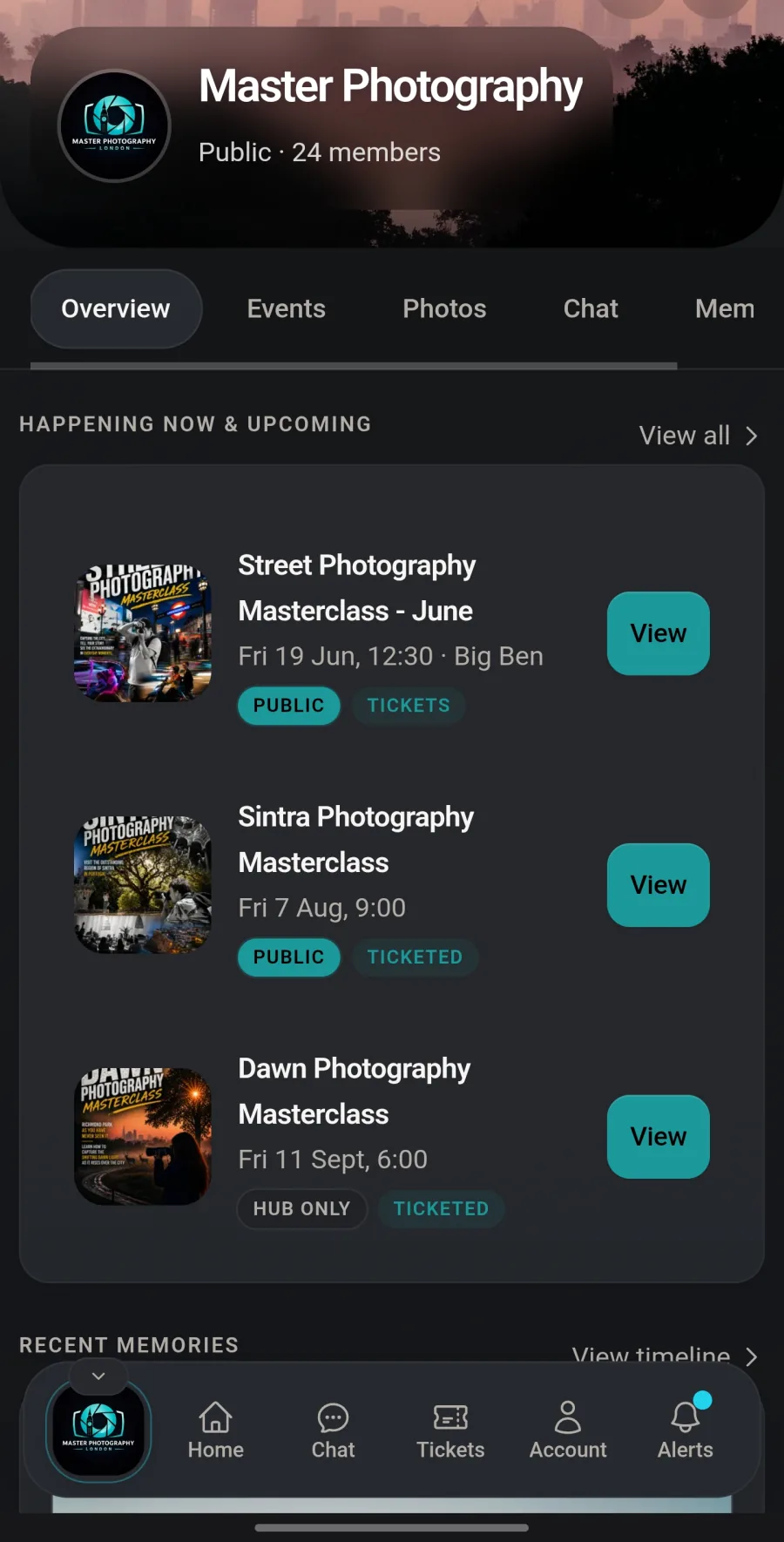
Upcoming dinners, the member journal, and the event album all live under the same identity instead of being split across ticket links and shared folders.
Next event
Thu 27 Feb
Members
148
Albums
24
Next dinner
What members see
Event notes, updates, and the follow-up album all stay attached to the same event page.
Why organisers care
Branding, attendance, and post-event memory do not have to be rebuilt in three other tools.
After the dinner
The event album and recap stay visible to the same community, with the same branding and access rules.
Journal
North Star Supper Club
Member dinner ticket
Date
Thu 27 Feb
Doors
18:30
Organiser
Ticket controls
Capacity
80
Paid sold
46
Waitlist
12
Member dinner
Public checkout, counts toward capacity
£18
46 / 50 sold
Audience rules
Public or members-only availability still lives beside the event, not in a separate ticketing backend.
Release controls
Manual release, waits, and sold-out follow-up stay visible to the same organiser team.
Lifecycle
The value is not just checkout. It is the continuity between planning, live operations, and the follow-up that makes the next event easier to run.
Before the event
Run paid, free, public, or member-only ticketing from the same event record instead of stitching together forms, announcements, and access notes.
During the event
Keep ticket status, staff access, and attendance inside the same operational surface instead of juggling door sheets, group chats, and last-minute exceptions.
After the event
The event should not disappear into a folder and a mailing export as soon as the last person leaves. Hubbaly keeps the record alive for the next cycle.
Sold-out events
High-intent organisers care what happens after capacity is gone. Hubbaly keeps the waitlist, reopened spots, and transfer path tied to the event instead of turning sell-out handling into manual admin.
One event record, even when plans change.
Queue movement, ticket ownership, and the door list stay aligned because the same system handles the ticket, the member context, and the event rules.
When an event sells out, Hubbaly keeps demand in the queue instead of pushing organisers back into forms, inboxes, and side chats.
If capacity changes or someone drops out, the next spot can move through the queue under the same event rules.
Members can pass a ticket on cleanly when plans change, without organisers manually reconciling who owns what now.
You decide how the queue moves, when transfers are allowed, and which events stay gated to the hub.
Use cases
The strongest proof is not a generic customer list. It is seeing real organiser jobs, event by event, stay inside one operating system.
Example
Membership, paid sessions, Waitlists, volunteer staff, QR check-in, and post-run albums in one place.
No more ticketing on one tool, rota notes in a sheet, and post-event photos scattered elsewhere.
Example
Invite-only events, Required forms and waivers, waitlist rules, and guest communication kept away from public platforms.
Organisers run the guest list, the door, and the follow-up without exposing the community publicly.
Example
Tickets, staff permissions, document signing, Ticket transfers, Albums, and Email campaigns tied back to the event record.
The organiser sees what sold, who showed up, who staffed it, and what happened after in one system.
Pricing
One fee on paid tickets. No platform fee on free events. Pro is included for your first 5 events or 12 months, whichever comes first, and selling 500 paid tickets in a quarter unlocks the next 3 months of Pro.
3.5% per paid ticket
Buyers see one all-in price before checkout.
5 events or 12 months free Pro
Whichever comes first. Free events still carry no platform fee.
500 paid tickets in a quarter unlocks the next 3 months of Pro
Sell through the platform and the next 3 months of Pro stays free.
Trust by design
What is visible, who gets invited, who can join the queue, who can staff the event, and who can see the resulting albums should all follow the same rules. Hubbaly keeps those rules intact across the full event lifecycle.
Private means private
Member-only events do not have to become public listings just to sell tickets or manage a waitlist cleanly.
Access rules carry across the system
The same permissions shape tickets, queue movement, staff access, documents, updates, and albums.
Invites, chat, and follow-up stay with your members
You choose who gets event links, event chat, and Email campaigns instead of handing that to a public feed.
Door controls are operational, not cosmetic
Required documents, attendance checks, and the live ticket status show up when staff scan, not buried in admin notes.
Why we built this
We built it around the reality of running community events: tickets, updates, forms, staffing, check-in, and event memory should work together from the start, not be patched together after the fact.
Luke
Hubbaly founder
Pip
Hubbaly founder
FAQ
No waitlist. No card required. 5 events or 12 months free Pro to start.
Already have an account? Sign in